
Understanding the Psychology of Today’s Customer
Imagine a customer named Priya searching for a salon appointment near her home. Instead of calling multiple places, she opens WhatsApp and sends the same message to three salons:
“Do you have appointments today?”
Within seconds, the messages are sent. Now she waits.
One salon responds in two minutes.
Another responds after fifteen minutes.
A third replies almost an hour later.
Priya books with the first salon that replied.
This situation happens thousands of times every day. Customers now live in a real-time communication environment, where messaging apps like WhatsApp have replaced traditional interactions such as phone calls or website forms.
When customers message a business, they are rarely browsing casually. Most of the time, they are already considering a purchase or booking.
Typical inquiries include:
• “Do you have appointments today?”
• “How much does this service cost?”
• “Is this product available?”
These messages occur during what can be described as an intent moment, when the customer is actively searching for information to complete a decision. At this stage, customers often contact multiple businesses at the same time and compare responses before choosing one.
The business that responds quickly and clearly is far more likely to keep the conversation going.
For local businesses, this means responsiveness is not only a customer service task — it directly affects sales.
The Business Owner’s Mindset
Rahul runs a small appliance repair service in his neighborhood. Earlier, he checked WhatsApp messages only when he had time between service visits.
Sometimes customers waited 20–30 minutes for a reply.
After a few months, Rahul noticed a pattern. Many customers who messaged never replied again. The problem wasn’t pricing or service quality — it was response speed.
When Rahul changed his mindset and began treating every message as a potential lead, his approach to messaging changed completely.
Customers expect three things when they contact a business:
• A quick response
• Clear information
• A simple next step
Businesses that consistently provide these three elements build trust and improve the chances of converting inquiries into customers.
The 5-Minute Response Rule
To improve response time, Rahul introduced a simple operational rule:
Every message must receive a reply within five minutes during business hours.
This became the 5-Minute Response Rule.
The reply does not need to solve everything immediately. The goal is simply to acknowledge the customer and keep the conversation active.
Example response:
“Thanks for reaching out. Let me quickly check availability and get back to you.”
Studies on online lead response show that businesses replying within the first few minutes of an inquiry are significantly more likely to convert that lead compared to delayed responses.
Fast acknowledgement reassures customers that the business is attentive and responsive.

Structuring Conversations for Faster Replies
Rahul soon realized that how he replied mattered just as much as how quickly he replied.
Two communication practices helped improve conversation efficiency.
Ask One Clear Question
Instead of asking multiple questions in a single message, Rahul started asking one clear question at a time.
Examples:
Salon
“Which service would you like to book?”
Restaurant
“Is this for dine-in or takeaway?”
Repair service
“Which appliance needs repair?”
One simple question keeps the conversation easy to follow and encourages faster replies.
Share One Relevant Detail
Customers usually want only one specific piece of information.
Instead of sending long explanations, Rahul began sharing one relevant detail related to the inquiry.
Example:
“Our repair service starts at ₹400. Would you like us to visit today or tomorrow?”
Focused responses guide the customer toward the next step without overwhelming them.
Personalization Builds Customer Comfort
Speed is important, but conversations should still feel human.
Rahul noticed that customers responded better when messages included personal touches.
For example:
“Hi Priya, thanks for reaching out. Our repair service starts at ₹400. Would you like to schedule a visit today?”
Using the customer’s name and acknowledging their request makes the interaction feel natural and comfortable.
Personalized responses show customers that they are interacting with a real business that is attentive to their needs.
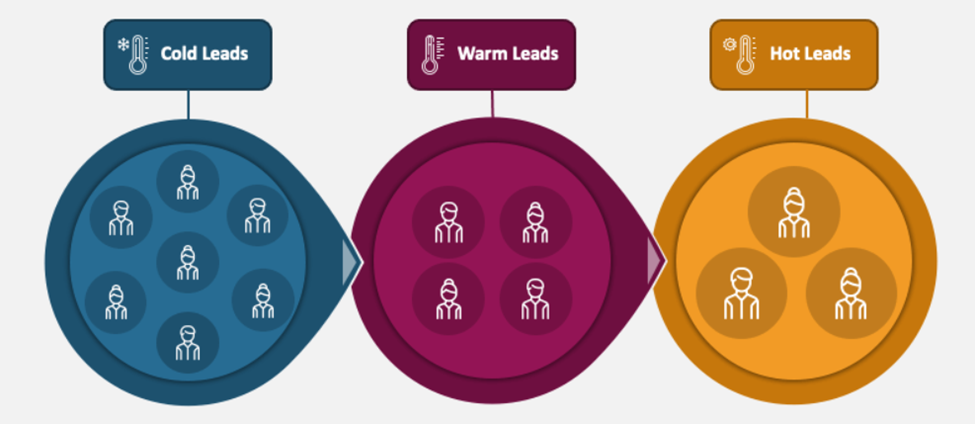
Organizing Conversations with Lead Labels
As message volume increased, Rahul needed a way to organize conversations.
He started using simple labels in WhatsApp:
Hot Leads – customers ready to book immediately
Warm Leads – customers exploring options
Follow-Up Leads – customers who may need reminders
This system helps prioritize conversations and ensures potential customers are not overlooked.
Managing Response Time with a Dedicated Team
Maintaining fast responses requires continuous monitoring of incoming messages.
Rahul assigned specific team members to handle messaging support:
• Two staff members monitor messages in the morning
• Two staff members handle conversations in the evening
This shift-based approach ensures customer inquiries are monitored throughout business hours.
Regular monitoring prevents delayed replies and missed opportunities.
Using WhatsApp Tools for Efficiency
As message volume grows, tools like WhatsApp Business and the WhatsApp Business API help businesses maintain response speed.
These platforms offer useful features such as:
• Automated greeting messages for incoming chats
• Message templates for frequently asked questions
• Multi-agent conversation handling so multiple staff members can respond
These tools help businesses maintain quick communication even as the number of inquiries increases.
Messaging Policies Businesses Should Know
Businesses using WhatsApp should also be aware of platform guidelines established by Meta.
These include:
• The 24-hour customer service messaging window
• Approved message templates for certain communications
• Messaging quality ratings that influence messaging privileges
These guidelines reinforce the importance of maintaining timely and relevant communication with customers.
A Simple Framework for Winning WhatsApp Leads
Rahul eventually summarized his messaging strategy into a simple framework used by his team.
The 4-Step WhatsApp Response Framework
1. Respond within five minutes
2. Ask one clear question
3. Share one relevant detail
4. Keep the conversation personalized
This framework helps businesses maintain consistent and efficient conversations.
Speed as a Competitive Advantage
In many local markets, businesses offer similar services and pricing.
What often sets one apart is how quickly and clearly they respond.
Customers value:
• Quick acknowledgement
• Clear information
• Easy next steps
Businesses that respond quickly and communicate clearly are far more likely to convert inquiries into bookings.
Key Insight
Messaging platforms like WhatsApp have become the digital front door for local businesses.
A simple operational habit can significantly improve customer conversions:
• Respond within five minutes
• Ask one clear question
• Share one relevant detail
• Keep conversations personalized
When supported by organized conversations, dedicated monitoring, and efficient messaging tools, the 5-Minute Response Rule becomes a powerful strategy for turning everyday inquiries into real customers.
Sometimes the difference between gaining a customer and losing one comes down to one simple factor:
Who replied first.
FAQs
1. What is the 5-Minute Response Rule in business messaging?
The 5-Minute Response Rule means responding to customer messages within five minutes during business hours to keep conversations active and improve conversion chances.
2. Why is response time important for local businesses?
Customers often message multiple businesses simultaneously, and the one that responds first with clear information usually gains the customer’s attention.
3. How can small businesses manage WhatsApp messages efficiently?
Businesses can use WhatsApp Business tools, message templates, and dedicated staff monitoring chats throughout the day.
4. What are Hot, Warm, and Follow-Up leads?
Hot leads are ready to buy, warm leads are exploring options, and follow-up leads are customers who may need reminders.
5. How does personalization improve customer conversations?
Personalized messages make customers feel valued and comfortable, increasing engagement and building trust with the business.